2025 Annual Conference of the China Comparative Study Association of Chinese and Foreign Languages and Cultures and Symposium on “World Literature and Culture in Interlingual Dialogues”
Date and Venue: 7–9 November 2025, Jinan, Shandong, China

Brief Summary
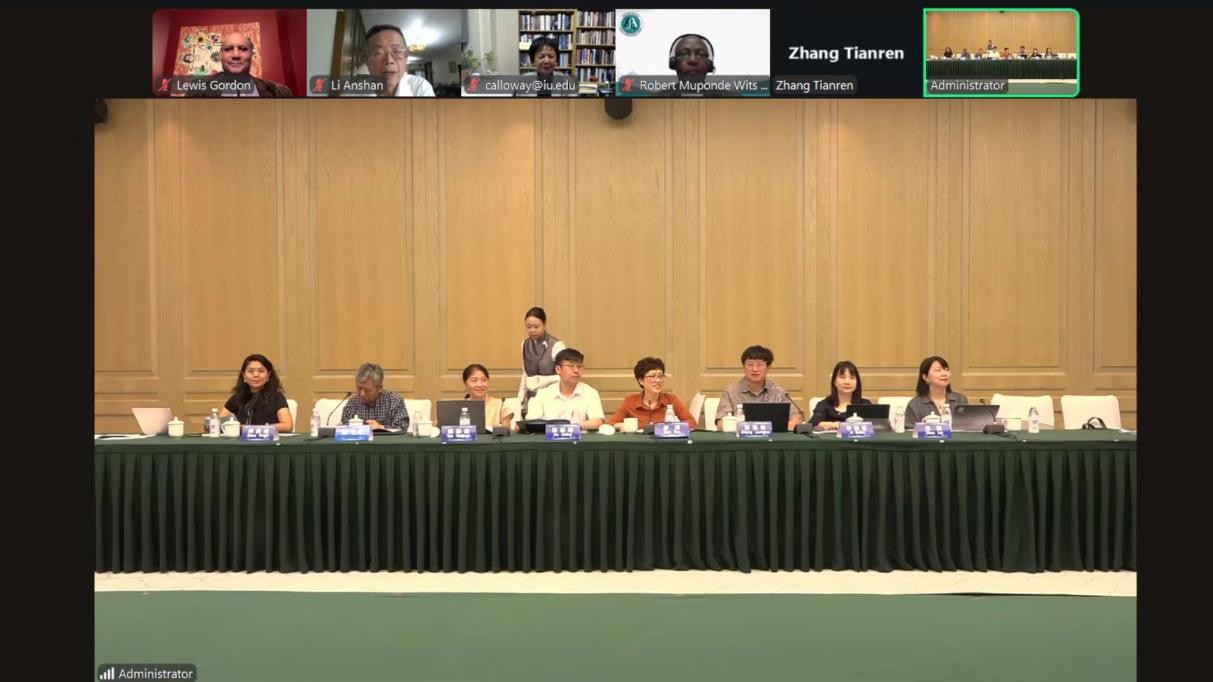
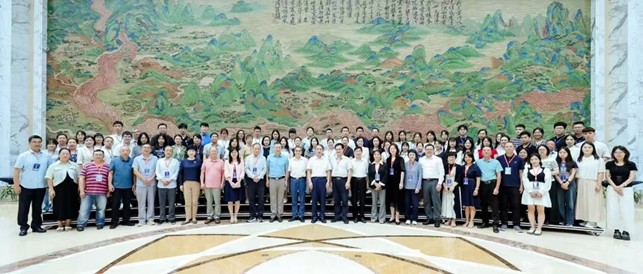
Held in Jinan, China, from 7 to 9 November 2025, the 2025 Annual Conference of the China Comparative Study Association of Chinese and Foreign Languages and Cultures, together with the symposium “World Literature and Culture in Interlingual Dialogues,” brought together more than 150 scholars from universities, research institutes, and academic journals across China. The event created a dynamic platform for discussion on world literature, translation, literary theory, technology, and cultural ethics in a rapidly changing intellectual landscape.
The symposium centered on three major concerns. First, participants critically revisited the Eurocentric foundations that have long shaped the concept of “world literature,” arguing for a more equitable framework in which Chinese literary experience and broader non-Western traditions can participate in redefining the field. Discussions emphasized interlingual dialogue, translation as a site of power negotiation, and the need to build a genuinely plural literary community. Second, the conference addressed the challenges and opportunities brought by technological change, especially artificial intelligence. Presentations on AI-assisted reading, posthuman ethics, and brain–computer interfaces explored how new technologies are transforming reading practices, concepts of interpretation, and the ethical understanding of the human. Third, the meeting highlighted the importance of developing an autonomous Chinese academic discourse. Speakers called for a shift from theoretical consumption to theoretical innovation, encouraging scholars to construct new conceptual frameworks rooted in Chinese scholarship while remaining open to global exchange.
The program also demonstrated strong methodological breadth, with papers engaging comparative literature, translation studies, semiotics, regional and area studies, cultural studies, and interdisciplinary inquiry. Particularly notable were contributions concerning African literature and the relationship between self and other, as well as discussions of how marginalized literary traditions can be read and repositioned within world-literary debates. In this sense, the symposium resonates with the broader intellectual mission of Frontiers of African Diaspora Studies as the society’s journal: to foster rigorous cross-cultural scholarship, expand non-Western perspectives, and encourage dialogue across languages, regions, and disciplinary boundaries.
With ten parallel forums involving faculty members and graduate students, the conference reflected both scholarly depth and generational vitality. Overall, the event offered an important forum for rethinking world literature in an age shaped simultaneously by global asymmetries, technological transformation, and the search for new forms of humanistic knowledge.
Media Report Link