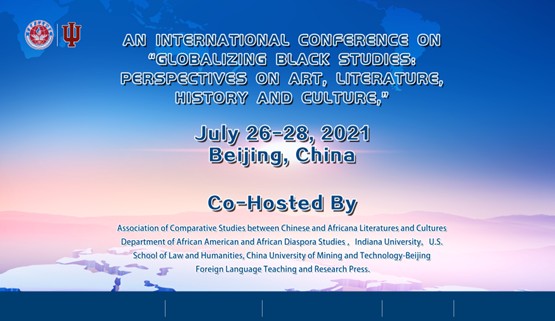
International Symposium on “Globalizing Black Studies: Perspectives on Art, Literature, History and Culture”
Date and Venue: 26–28 July 2021, Online (via Zoom)
Brief Summary
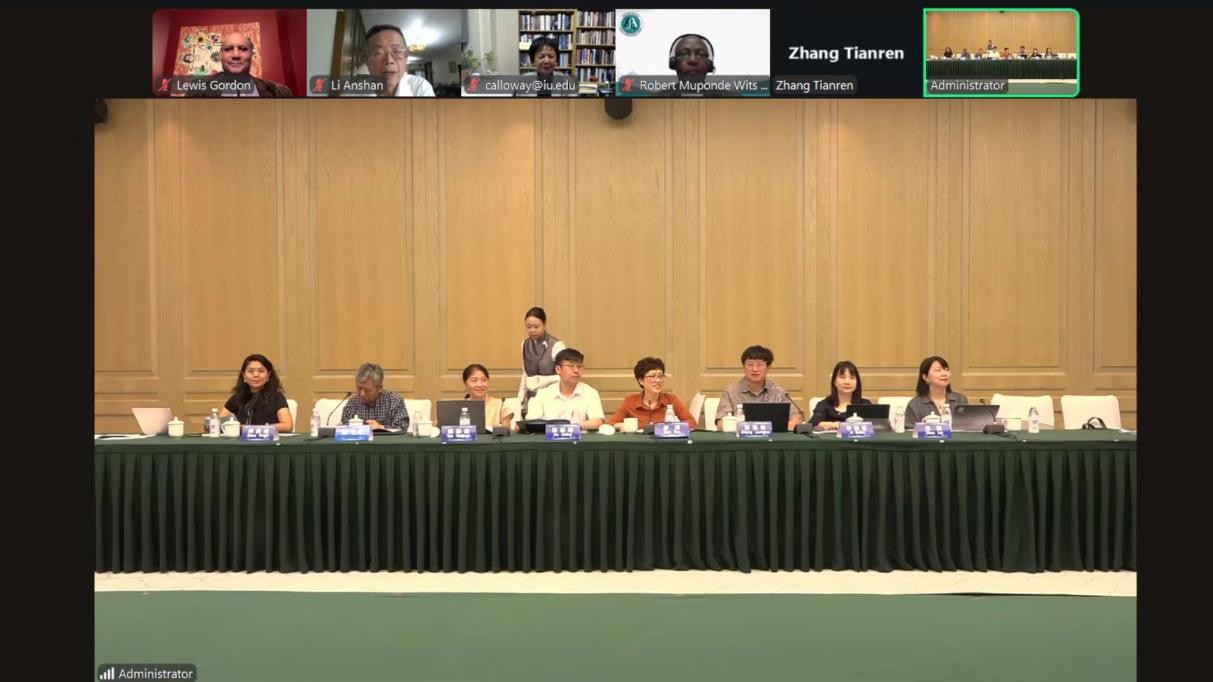
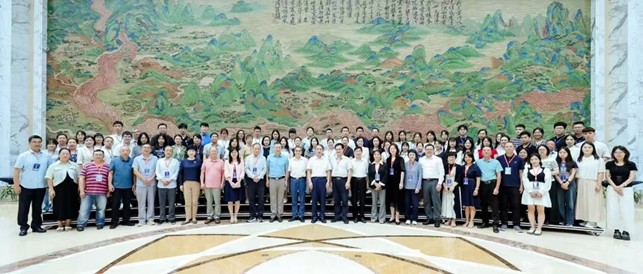
Held online via Zoom from 26 to 28 July 2021, the International Symposium on “Globalizing Black Studies: Perspectives on Art, Literature, History and Culture” brought together 73 invited scholars from the United States, Germany, Türkiye, Algeria, and mainland China. The symposium was jointly organized by the China-Africa Language and Culture Comparative Studies Committee of the China Comparative Study Association of Chinese and Foreign Languages and Cultures, the African American and African Diaspora Studies Program at Indiana University Bloomington, and the Department of Foreign Languages of China University of Mining and Technology (Beijing), with additional support from Foreign Language Teaching and Research Press. The event focused on African and African diasporic studies in a global context and created an important platform for sustained international academic exchange.
Centered on Black studies in the age of globalization, the symposium addressed a wide range of themes, including literature, art, history, culture, community, gender politics, cultural conflict, race relations, and the interaction between African and diasporic cultures and other cultural traditions. The keynote lectures and panel discussions reflected the growing tendency toward both global and interdisciplinary approaches in this field. Presentations examined subjects such as the world significance of Black studies, the social function of fiction and narrative, the global resonance of “people power,” the historical turn in twenty-first-century African American poetry, the typology and characteristics of African Anglophone literature, postcolonial identity formation, the role of African literature in rethinking world literature, and the philosophical contributions of contemporary Black thought.
The symposium was especially notable for three features. First, it adopted a distinctly global perspective: participants explored connections among Africa, Asia, the Middle East, and other regions, forming a broad intellectual space for the study of Africa and the African diaspora beyond narrow national or regional boundaries. Second, it demonstrated a strongly interdisciplinary orientation, drawing on literary studies, history, politics, sociology, ethnology, communication studies, and education to illuminate new directions in research. Third, the conference highlighted the development of a Chinese scholarly voice in international dialogue. Chinese scholars engaged global debates from locally grounded perspectives and emphasized the importance of building original academic discourse in African and African diasporic studies. In this sense, the symposium not only showcased vibrant international exchange, but also advanced the incorporation of Chinese perspectives into the wider global academic conversation.
Media Report Link
https://news8.cumtb.edu.cn/info/1003/16711.htm
DOI: 10.16651/j.cnki.fllr.2021.0066(CNKI)